
 When we’re born, we come into this world innocent and full of life and innate joy. That’s why so many of us feel joy around children. It’s contagious. Unfortunately, as we’re introduced to the world, many of us experience trauma, whether it’s at home, at school, or somewhere else in the world. We fall victim to others’ residue from their own traumatic experience. This residue sticks to us, seeps in, and becomes our trauma.
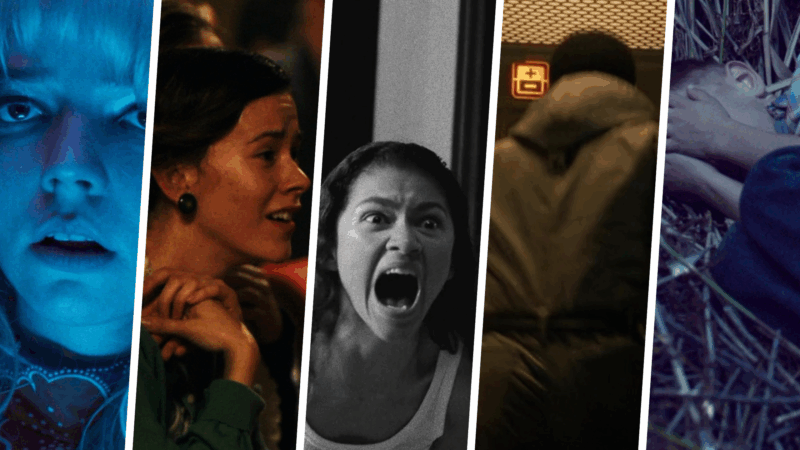
The trauma we go through has a response that lives deep in the body and consciousness and manifests during times of fear. What makes these reactions trauma responses is the action isn’t something that you intend to happen (Example: Maybe you intended on standing your ground, but your response was to fawn and become agreeable.) These responses include Freeze, Fawn, Fight, Flight, and Flop
Freeze

Freezing is our bodies’ way of shutting down. When we are overwhelmed with fear, we don’t see fighting or fleeing as an option, and this trauma response holds us in place. People who experience freezing tend to be sexual assault or domestic violence victims. The thought behind this is usually escapism. The mind escapes to a safer place, leaving the body behind.
Common signs of freezing include:
Dissociation from mind and body.
Immobility and a feeling of not being able to move your limbs.
Trouble with vocal cues.
Fawn
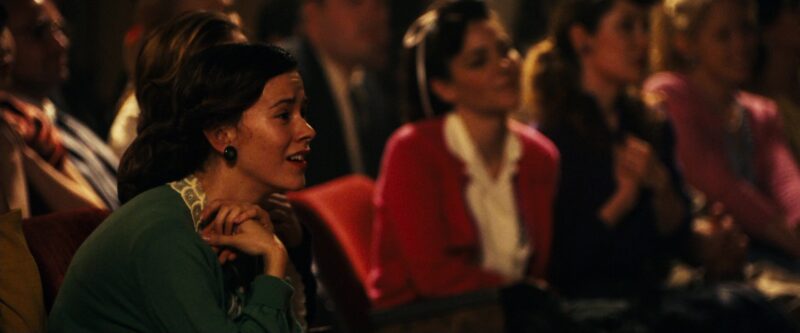
Fawning is communication through people-pleasing. When we feel we can’t articulate our own needs, we begin to compliment, convince, and agree our way out of the perceived fearful situation. As children, fawners might have experienced verbal abuse from parents and become agreeable to keeping the peace. Most people who fawn have the inner dialogue: “If I can get this person to love or like me, maybe they won’t hurt me.”
Common signs of fawning include:
Having a hard time saying “no.”
Demeaning your own needs in order to make others comfortable.
People Pleasing.
Fight
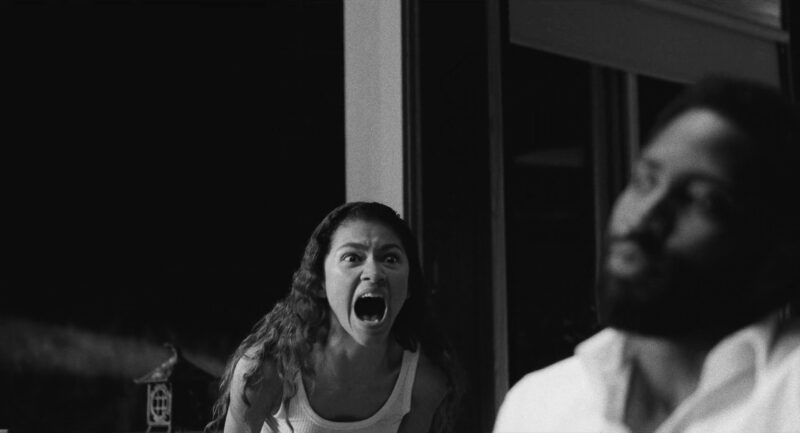
Fighting is a way to control the situation. When we feel threatened and are afraid of the outcome, we might fight as a way to beat the threat before the threat beats us. Fighter’s inner dialogue is “I have to hurt them before they hurt me in order to protect myself.”
Common signs of fighting include:
Flex/tight jaw and grinding teeth.
Increased heart rate.
Stomach tightening, nausea, or a burning sensation.
Flight

Flight is a response that asks your body to find protection. If we run from the threat, it can’t hurt us and can’t have control over us. Flight response is ingrained in many of us and is an ancestral trauma tactic for many communities. People who use the flight tactic often have the narrative “I’m going to run away before this threat hurts me.”
Common signs of fighting include:
Trouble relaxing.
Restlessness.
Anxiety and anxious patterns.
Flop
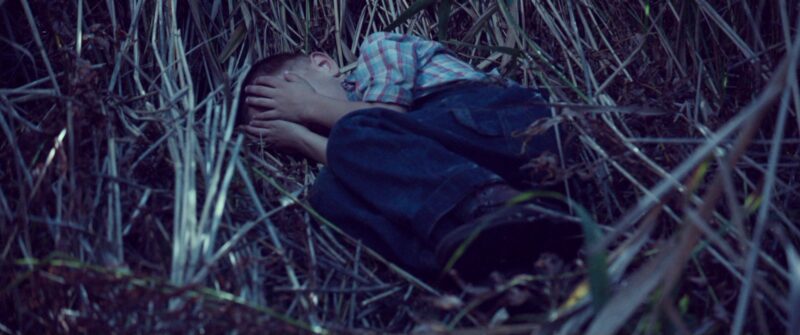
You get weak in the knees, and your body gives way as a coping mechanism. If we think of some animals’ defense mechanisms, they tend to curl up or fold into a ball. This tactic makes an individual feel safer while also giving in to what is happening. Flopper’s narrative is “If I just give up, I won’t get hurt.”
Common signs of flop include:
Curling into a ball.
Weak knees.
Feeling Hopeless.
Ways to Cope:
The ways we can cope with these trauma responses are through:
Recognizing our triggers: Often, we need to become aware of the trigger that elicits a response. With safety and guidance from healers and therapists, we can explore this.
Practicing Breathwork: Working on breathing and centering ourselves connects us with our body, and we can understand the body/brain connection. Deeper understanding means more awareness. You can also breathe when you feel like you are heading into using a response.
Document the Situation: Take time to journal after you respond to trauma. Journaling can help you get it out of your head and give you a blueprint to learn more about your response.
Trauma lives in our bodies, but that doesn’t mean we can’t rid ourselves of it. Take time to learn more about the four trauma responses and which of them you identify with.
Personal Note
I didn’t know about these trauma responses until I saw them in my sibling’s play. After seeing their play, “Packages O’ The Things We Deliver”, I thought more about my own responses and how they have shifted as I’ve gotten older and with new traumas introduced.
The play shows different characters, and how they show up differently when it comes to their traumas. The play also has aspects of our childhood trauma and lineage, so it was easy to make this connection. I started looking back at my own life and how I’ve gone from fight, to freeze, to flee, and finally, in my late 20s, made it to the stage of fawn, the stage that I see to be the worst for who I am as a person. At some point in my life, I learned how to become agreeable, how to please people to be accepted, and how to protect myself from the screaming and yelling I was surrounded by in my childhood. As I am working toward getting back to who I am, here are some tips I have for those who are fawners or have other trauma responses:
Dialectical Behavioral Therapy (DBT) Skills: I also live with Borderline Personality Disorder ( BPD ), so these skills promoting mindful interactions and living in the present moment have been pivotal for my healing.
Introspective Writing: I’m a pretty introspective person, but I needed to start writing out my thoughts to realize all the connections between my trauma responses and past situations.
Finding Joy: There is a lot of fear in this world, but I have found that radical joy was what I needed to overcome my fears. I find joy in community, acting, and advocacy.
Upcoming Content
We’ll dive into what happens when you start unlearning and deconditioning trauma responses.